Alien Registration Card Korea: What to Prepare Before Your First Visit to Long Term Stay
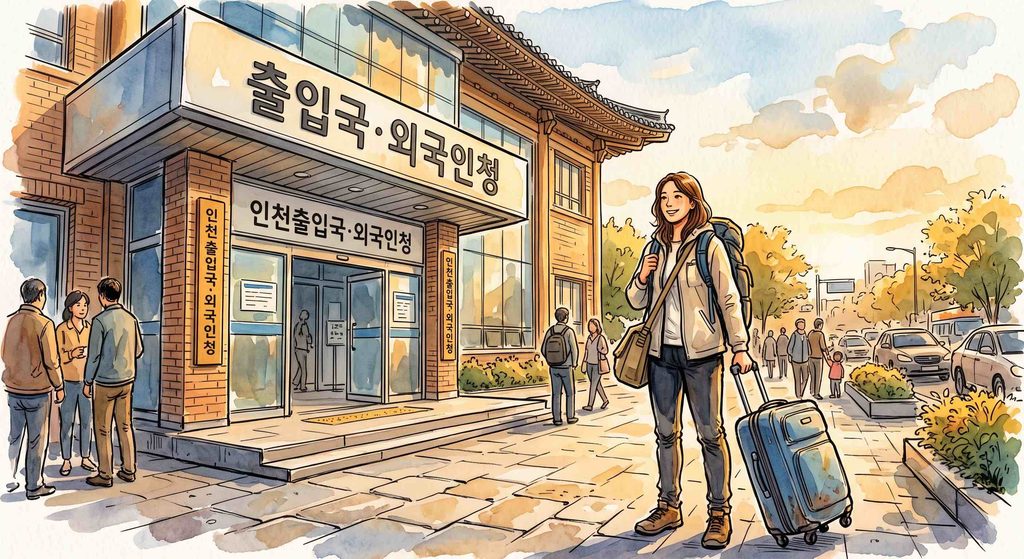
You Just Landed in Korea — Now What?
You’ve found an apartment, maybe started a job or classes, and things finally feel like they’re falling into place. Then someone mentions the words “Alien Registration Card” and a slight panic sets in.
Here’s the good news: getting your Alien Registration Card in Korea is one of the most routine things every long-term foreign resident does. It just requires a bit of prep so you’re not standing at the counter realizing you forgot a document.
This guide walks through exactly what to bring, how to book your appointment, and a few tips that will save you a wasted trip.
Quick summary:
- You have 90 days from your entry date to apply for your Alien Registration Card in Korea.
- Book your appointment through HiKorea before you go — walk-ins are often turned away or face long waits.
- Bring your passport, visa/entry documents, photo, proof of address, and the application fee (around 30,000 KRW Cash).
Quick Note: “ARC” vs “Residence Card”
You’ll see both terms used, sometimes in the same sentence. Since 2021, the government’s official name is the Residence Card, but almost everyone — landlords, banks, HR departments, even some immigration staff — still says ARC or “Alien Registration Card.” They mean the same document, so don’t worry about mixing them up.
Who Actually Needs One?
If you’re planning to stay in Korea for 91 days or more, registration isn’t optional — it’s required by law. This applies to:
- Work visa holders (E-series, including E-2 English teachers, E-7 specialists)
- Student visa holders (D-2, D-4)
- Family and marriage visa holders (F-series)
If you’re only in Korea on a short tourist stay under 90 days, you don’t need to worry about this at all.
The Document Checklist (Print This Before You Go)
Missing paperwork is the number one reason people get sent home from the immigration office without their card. Here’s what to have ready:
| Document | Notes |
|---|---|
| Passport | Original, not a photocopy |
| Alien Registration application form | Available at the office, or download and pre-fill from HiKorea |
| 1 passport-style photo (recommend 2) | 3.5cm x 4.5cm, taken within the last 6 months |
| Visa confirmation / entry documents | Confirmation number or visa issuance certificate |
| Proof of address | Lease agreement (rent contract) or a certificate from your employer/school |
| Employer or school documents | Business registration certificate (사업자등록증) for work visas, or enrollment certificate for students |
| Application fee | Around 30,000 KRW, cash is safest |
A small but important tip: bring an extra passport photo even if you think you only need one. Offices occasionally ask for a spare, and there’s rarely a photo booth conveniently nearby.
Step-by-Step: How the Application Actually Works
- Book an appointment on HiKorea. Walk-ins are technically allowed at some offices, but wait times can stretch for hours, and busier offices in Seoul may not accept them at all. Booking online (in English) takes a few minutes and saves you a half-day. In my experience, online reservation usually takes a month. If you can plan ahead, you can book an online reservation, but also walk-in is available without a reservation.
- Find your correct immigration office. You must apply at the office that covers where you live, not just any branch. Double-check this on the HiKorea site — going to the wrong office means starting over.
- Arrive early with your documents in hand. Even with an appointment, get there 10–15 minutes ahead. Offices are busiest right when they open and right after lunch.
- Submit your documents and pay the fee. Staff will review everything on the spot. If something is missing, they’ll tell you what to bring back.
- Get your receipt. You won’t walk out with the physical card that day — you’ll receive a receipt confirming your application is in process.
- Wait for processing. This typically takes a few weeks(in my experience, it took me 3 weeks), sometimes longer at high-traffic offices. You can check your status anytime on HiKorea.
- Pick up your card or request delivery. Some offices offer mail delivery for an extra fee; otherwise, you’ll return in person with your receipt and passport. I personally recommend to choose Pick-up method, just to make it sure.
Common Mistakes That Slow People Down
- Waiting too long to book. The 90-day window feels generous until you realize appointment slots fill up fast in big cities like Seoul.
- Using an outdated address. If you move apartments between booking and your appointment, your proof of address needs to match where you’re actually registering.
- Assuming the receipt works everywhere. Some banks and services accept the application receipt as temporary proof, but many require the actual card. Don’t count on the receipt for everything.
- Forgetting cash. Some offices still prefer cash for the application fee, and card payment isn’t guaranteed everywhere.
What Happens After You Get Your Card
Once your Alien Registration Card is in hand, a lot of daily life in Korea suddenly gets easier:
- Opening a bank account
- Signing up for a registered phone plan(this is crucial for using any Korean online shopping apps)
- Enrolling in National Health Insurance
- Verifying your identity at hospitals, government offices, and many online services
In short, it’s the single document that unlocks nearly everything else you need to settle in.
A Few Honest Tips From People Who’ve Been There
- Don’t procrastinate, even if 90 days sounds like plenty of time. Life gets busy, and appointment slots near the deadline get scarce.
- Screenshot your HiKorea confirmation — Wi-Fi at some immigration offices isn’t reliable, and you don’t want to be digging through email on the spot.
- Bring a book or download something offline. Even with an appointment, some waiting is normal.
- Ask questions if something’s unclear. Immigration staff deal with foreign applicants daily and are generally used to walking people through it, even with a language gap.
Have you already been through the process, or are you getting ready for your appointment soon? If you’ve got a tip that made your visit smoother — or a document surprise nobody warned you about — drop it in the comments. It might save the next person a wasted trip.
This guide is for general reference. Requirements can change, so always confirm current details on the official HiKorea website or by calling the Immigration Contact Center at 1345 before your appointment.